
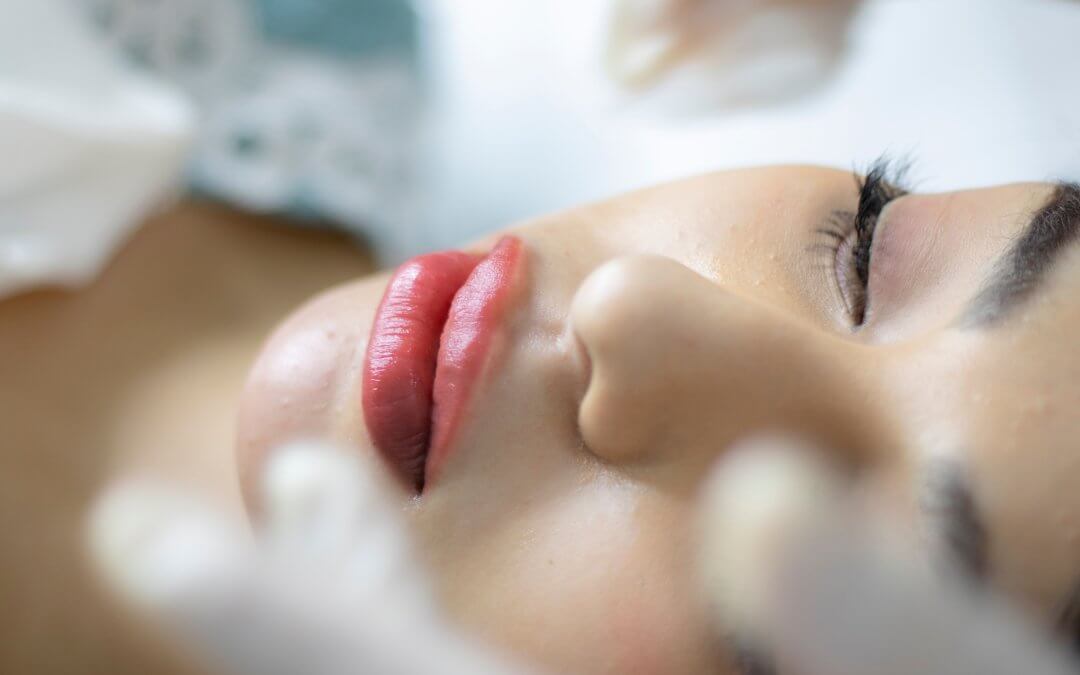
Freshly tattooed brows almost never look like the final result on the day you leave the studio. They come out dark, crisp, and sharply defined, then they flake, fade, look patchy, and slowly settle into the soft healed color that lasts. For clients in Edgewater and the wider Fort Lee and NYC metro area, that swing between too dark and too light is the part of brow tattooing that causes the most worry.
Elssa Duli has spent more than 25 years working in permanent makeup, and the questions clients ask after an appointment are almost always the same. What is normal, when does it happen, and when will the brows look finished? This week by week permanent makeup healing timeline answers those questions using the stages artists see most often.
The Permanent Makeup Healing Timeline at a Glance
Most permanent makeup goes through several predictable stages: initial darkness, flaking, lightening, and color resurfacing. The visible healing usually wraps up within 7 to 14 days, while the full process takes 4 to 8 weeks depending on the procedure, your skin type, and how closely you follow aftercare.
Some artists describe a similar arc across 1 to 4 weeks, with initial darkening, light flaking, and gradual softening of the pigment as the skin recovers. The exact pace comes down to skin behavior and technique rather than any single rule.
| Stage | Typical timing | What you can expect |
|---|---|---|
| Initial swelling and redness | Days 1 to 2 | Brows look bold and defined, with possible light swelling or redness |
| Darkening of the pigment | Days 3 to 5 | Color deepens and the skin feels tight before flaking begins |
| Scabbing and peeling | Days 5 to 10 | Top layer of pigment flakes away, which is normal |
| Lightening | Days 10 to 21 | Color gradually reappears as the skin heals completely |
| Full healing | Weeks 4 to 8 | Pigment settles and the final tone emerges |
Week 1: Bold, Dark, and Sometimes Uneven
The first seven days are the most eventful. Your brows go through fast, obvious changes, and most of the worry about the outcome happens here.
Days 1 and 2: Swelling and Redness
This is the bold and defined stage. Pigment sits on top of the skin as well as inside it, so brows look darker and sharper than they will later. Delicate skin can swell slightly or redden, which is why artists advise against making social plans for the same day as the appointment.
Days 3 to 5: The Pigment Darkens
Brows often get darker before they get lighter. Pigment oxidizes, the treated skin tightens, and the color can look deeper than it did on day one. The very first signs of flaking may appear toward the end of this window, and flaking of the top color is normal.
Days 5 to 10: Scabbing and Peeling
Flakes of pigment and dry skin start to lift. Peeling generally falls somewhere between day 4 and day 10 after the procedure, with most of it concentrated in the middle of that stretch. Underneath, the color looks lighter and patchier than the top layer did, which is expected rather than a sign that something failed.
Week 2: Flaking, Fading, and the Patchy Phase
By the second week, the surface has usually finished flaking and the brows can look faint or uneven. Days 6 to 10 are commonly described as patchy and light. Some areas seem to hold color while others look almost bare, and the shape may seem thinner than it did on day one.
Nothing is wrong. The pigment now sits deeper in the skin and is partially obscured by the healing layer above it. That surface layer is what makes the brows look cloudy and incomplete during this stretch.
Weeks 3 and 4: Color Comes Back Softly
Between day 10 and day 21, color gradually reappears as the skin heals completely. The tone that returns is usually softer and more natural than the initial result. Weeks 2 to 4 are typically when soft color re-establishes itself and the brows start to resemble the result you pictured before the appointment.
Healing pace varies from person to person. Some clients see their color return within three to four weeks, while others take longer, and the process occasionally stretches over a longer period.
Weeks 4 to 8: The Fully Healed Result
Full healing can take 4 to 8 weeks. During this window the pigment continues to settle, the skin barrier finishes restoring itself, and the final tone emerges. Judging finished work before this point is difficult, which is exactly why artists schedule the follow-up visit later in the process instead of at the two week mark.
What to Avoid While Your Brows Heal
Small habits have a large effect on how the pigment holds. The first two weeks are the most sensitive stretch of the timeline.
- Skip intense exercise, gym sessions, saunas, and swimming for at least 10 days.
- Wait 14 days before using active ingredients or makeup near the treated area.
- Let flakes fall off on their own rather than picking, rubbing, or scratching them.
- Keep the area clean and lightly moisturized instead of dry or soaked.
- Keep your hands away from the brows to reduce irritation while the skin closes.
Aftercare in Practice: Absorb, Wash, Moisturize
The core routine for the first week is simple: absorb, wash, and moisturize. Blot away excess fluid early on, cleanse gently according to your artist’s instructions, and keep the surface lightly conditioned so it does not crack. Aftercare protocols differ between studios and between procedures such as microblading, microshading, and nanoblading, so follow the written instructions you were given rather than a routine you found elsewhere.
Clients in Edgewater, Fort Lee, and the surrounding area also have the option of a healing check at the studio if something looks unusual. Confirm the specifics with your own artist, since ink, technique, and skin type all influence how a brow tattoo heals.
The 6 to 8 Week Follow-Up
A follow-up appointment is generally planned at 6 to 8 weeks, once the skin has finished healing and the final color is visible. That visit is where shape and density get refined if needed. After that, maintenance is usually annual or bi-annual depending on how the pigment fades and how your skin behaves over time.
When to Reach Out to Your Artist
Sudden worsening pain, spreading redness, or swelling that increases rather than settles deserves a professional opinion. Contact your artist, and speak with a healthcare provider if you are concerned about infection. Asking early is always better than waiting to see whether something resolves on its own.
Frequently Asked Questions
How long does the permanent makeup healing timeline actually last?
Most visible healing happens within 7 to 14 days, so the brows look presentable fairly quickly. The full process takes 4 to 8 weeks depending on the procedure, your skin type, and how consistently you follow aftercare. Treat the two month mark as the point when the color is genuinely settled and ready to judge.
Why do my brows look darker right after the appointment?
Pigment sits both on the surface and inside the skin immediately after tattooing, which makes the color read much deeper than the healed result. Days 3 to 5 bring a further darkening as the pigment oxidizes. This bold phase is temporary and softens considerably once flaking finishes in the second week.
Is it normal for brows to look patchy in week two?
Yes. Days 6 to 10 are commonly patchy and light, and some areas may appear almost bare while others still hold color. The pigment is deeper in the skin at this point and partially hidden by the healing surface layer. Color gradually reappears between day 10 and day 21 as the skin finishes healing.
When can I wear makeup or use active skincare near my brows?
Wait 14 days before using active ingredients or makeup near the treated area. Before that window closes, keep products away from the brows and let the skin continue sealing. If you are unsure what counts as an active ingredient in your routine, ask your artist before applying anything to the area.
Will I need a touch-up after my brows heal?
A follow-up is typically planned at 6 to 8 weeks, once healing is complete and the final color is visible. That appointment is where any gaps or unevenness can be refined. Longer term, most clients return annually or bi-annually, since pigment gradually fades and skin changes over time.