
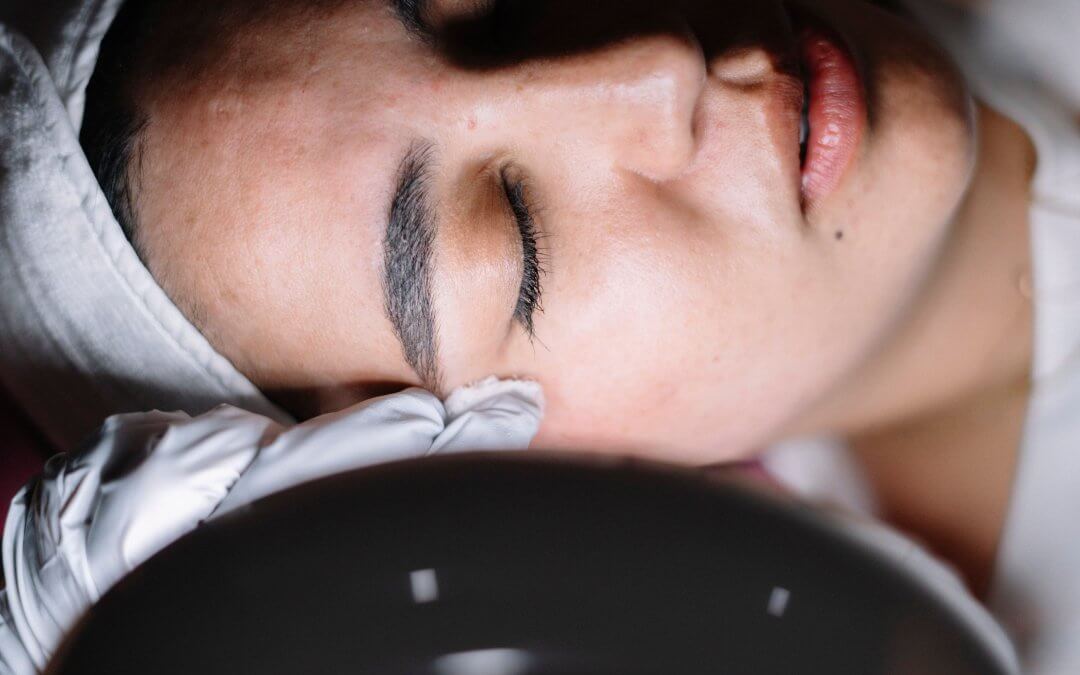
Microblading studios line River Road in Edgewater, from the mid-900s block through the 1200s, and nearly every one of them makes the same promise: brows that look natural. Twenty-five years behind the chair has taught me that natural results rarely come from a bolder technique or a darker pigment. They come from restraint, a thorough consultation, and matching the method to the face sitting in front of you.
Edgewater sits on the Hudson, minutes from Fort Lee and a short trip from Manhattan, and the clients who walk through the door here tend to be specific about what they want. They have seen beautiful brow work and they have seen the other kind. They want brows that read as theirs, not as a procedure. That expectation shapes every recommendation I make in this town.
What 25 Years of Brows Actually Teaches You
The first thing experience changes is your appetite for drama. Early in a career, a brow artist is tempted to give every client the same sculpted arch. Years later, you understand that a brow which looks striking in a photo can look heavy in daylight, and a brow tattoo is not a haircut you can grow out in a few weeks. It stays with you, so it has to be built around your bone structure, your natural hair growth, and the proportions of your face.
The second lesson is that trends cycle faster than pigment fades. Thin arches, blocky fills, feathered strokes: the look clients ask for today is not the look they asked for a decade ago, and it will not be the look they want ten years from now. Hair-stroke work done with a light hand ages better than a dense, saturated fill, because there is still room for an artist to adjust at a touch-up as the brow softens.
The third lesson is about trust. Most disappointing brow work I see has less to do with the technique than with a conversation that never happened. Nobody asked about skin type, sun exposure, previous tattoos, or how the client actually fills in her brows at home every morning. Those four answers change the recommendation more than any trend does.
Microblading, Nanoblading, and Powder Brows Are Not the Same Service
In Edgewater, these terms get used interchangeably, and the local market does not always correct that. The distinction matters, because the technique determines how the brow is created, how it heals, and what it looks like a year later.
Microblading is the hand-drawn approach. A technician uses a manual tool fitted with fine blades to place pigment in individual strokes that imitate hairs. Nanoblading belongs to a different category entirely. Nano brows are created with a machine, with no blades and no cuts, and the result is a soft stroke pattern rather than a bladed line. Powder brows, microshading, and ombre brows go a third direction: instead of individual strokes, they build a diffused wash of color for a finish closer to filled-in makeup.
Permanent makeup in Edgewater reaches beyond the brow as well. Permanent eyeliner and lip blush are common add-ons for clients who want a complete low-maintenance routine rather than a single treatment.
Technique | How it is created | What the finish looks like | Often chosen by |
|---|---|---|---|
Microblading | Hand tool fitted with fine blades | Individual hair-like strokes | Clients who want visible strokes along the brow line |
Nanoblading | Machine work, no blades and no cuts | Fine strokes with a softer edge | Clients who want stroke detail created by machine |
Powder brows, microshading, ombre | Shaded application that builds soft color | Diffused, powdery, makeup-style | Clients who want fuller-looking, blended coverage |
Permanent eyeliner and lip blush | Separate permanent makeup treatments | Definition at the lash line or a wash of lip color | Clients building a full low-maintenance routine |
Why Edgewater Clients Ask for Softer Brows
The brow aesthetic in this part of Bergen County leans subtle. Clients commute, work in offices, and spend weekends along the waterfront. A brow that announces itself works against that. What they want is the version of their face where they look rested, with shape where the hair has thinned and a tail that stops where it should.
That preference has practical consequences. It usually means a lighter pigment mix, fewer strokes in the front of the brow, and a shape built from what is already there rather than from a template. It also means the recommendation changes with the client. Someone with a sparse, uneven brow line and dry skin is often a candidate for hand-drawn strokes. Someone with a fuller brow who simply wants density may do better with a shaded or machine technique.
Artists around Edgewater do not all work the same way, and some serve more than one location across the area, so the studio you book matters as much as the technique on the menu.
Consultation Questions That Matter More Than the Price
Price is the easiest thing to compare and the least useful thing to compare, because two quotes only mean the same thing if they cover the same work. Before you book anywhere in Edgewater, get answers to these:
Which technique are you recommending for my skin and brow hair, and why that one over the alternatives?
How many sessions does the quoted price include, and is the touch-up part of the package or billed separately?
Who performs the treatment, and what training or certification do they hold in permanent makeup?
What do you do if I want the shape adjusted after healing?
What should I avoid before the appointment, and what does aftercare look like?
Can I see healed results, photographed weeks or months after the appointment, rather than fresh work?
How do you handle a client whose brows need a different approach than the one she originally asked for?
Published rates in the Edgewater market vary widely, and local studios have advertised promotional packages that bundle an initial session with a follow-up visit. A promotion is not automatically a warning sign, but a price that does not specify what is included is worth questioning.
What Brow Tattooing Cannot Do
Permanent makeup is a complement to your brows, not a replacement for hair. If the brow area is completely bare, strokes alone will not recreate density that is not there, and a shaded or machine technique usually looks more convincing. If you have scarring, hair loss from alopecia, or you are in recovery from cancer treatment, that calls for a specialized approach and a longer conversation about realistic outcomes rather than a standard brow appointment.
Brow tattooing also cannot outrun your skin. Pigment softens over time, and how quickly depends on your skin, your lifestyle, and how you care for the area. Any artist who tells you the result is permanent and unchanging is describing a different service than the one you are booking.
How to Judge an Artist in Edgewater
Start with the questions the artist asks you. An experienced brow professional wants to know your medical history, your skincare routine, whether you have had previous permanent makeup, and what you dislike about your brows now. If the appointment begins with a shape stencil instead of a conversation, that tells you something.
Then look at the work itself. Fresh brows photograph darker and sharper than healed brows, so healed photos are the more honest measure. Look for symmetry in the placement rather than identical strokes, since natural brows are siblings and not twins. Look at whether the front of the brow stays soft or gets filled in solid. And look at clients whose faces resemble yours, because a technique that flatters one skin tone or brow type can look wrong on another.
Thinking in Years, Not Weeks
The frame I bring to every brow is simple: what will this look like in three years, on a Tuesday, in daylight, with no makeup on. That question rules out a lot of dramatic choices, and it is the reason so much brow work in Edgewater trends toward softness. You can always add density at a touch-up. Taking pigment out is a much longer road.
Twenty-five years of brows has taught me to treat every appointment as a collaboration with the client’s own face rather than an opportunity to demonstrate technique. The best result is the one nobody notices as a result at all.
Frequently Asked Questions
How much does microblading cost in Edgewater?
Rates vary widely because the fee depends on the artist, the technique, the number of sessions, and whether a touch-up is bundled in. Promotions advertised in the Edgewater market have priced an initial session plus a follow-up in the several-hundred-dollar range. Ask any studio to break down exactly what the fee covers, including the cost of a later touch-up, before you commit.
What is the downside of microblading?
Any brow tattoo is a commitment. Hand-drawn strokes can blur or soften over time, and the result is not something you can wash off if you change your mind about the shape. The outcome also depends heavily on the artist’s hand and judgment. Ask about correction options and how the work can be adjusted later before you book.
Is nanoblading replacing microblading?
It is competing with it rather than replacing it. Nanoblading is explicitly a different technique, since nano brows are created with a machine and involve no blades and no cuts, while microblading uses a hand tool to draw strokes. Both are available around Edgewater, and the better choice depends on your skin, lifestyle, and the finish you want.
Should a 60 year old get microblading?
Age alone does not decide this. What matters is the condition of your skin, how it has healed from past procedures, and the look you are after. Many mature clients get more predictable results from a machine technique or a soft shaded finish than from crisp hand-drawn strokes. Book a consultation and let an artist assess your brows in person.
How do I choose a brow artist in Edgewater?
Look for someone who asks questions before picking up a tool. Ask which technique they recommend and why, what training they hold, how many sessions the price includes, and what happens at a touch-up. Request healed photos rather than fresh ones, since fresh brows look darker and sharper than the settled result. Then compare two or three consultations.