
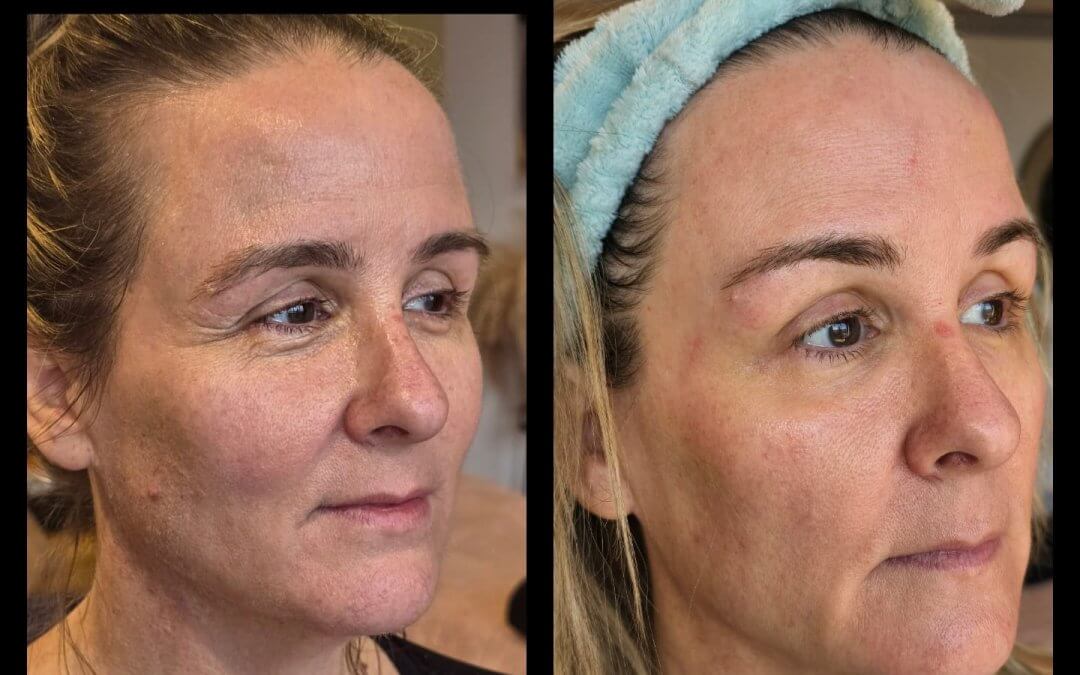
If you have been looking into “plasma fibroblast before and after” photos, you’ve likely noticed how much this procedure can transform your skin’s texture and firmness. Plasma fibroblast is a non-surgical method for tightening the skin and reducing signs of aging, particularly around the eyes, mouth, and other problem areas. By viewing these pictures, you gain a clearer picture of what you can expect in terms of smoother, firmer skin that still looks like you—just with fewer visible wrinkles and lines.
Discover plasma fibroblast basics
Plasma fibroblast relies on a pen-like device that delivers a targeted electric arc onto your skin. This arc creates tiny micro-injuries, which stimulate your body’s natural healing process and prompt your cells to produce more collagen. Over time, extra collagen means a tighter, more lifted look. Although it’s a popular alternative to more invasive treatments like facelifts or deep chemical peels, it’s still important to learn how it works so you can decide if it aligns with your expectations.
How it targets aging
-
The treatment delivers concentrated blasts of ionized gas to the skin’s surface.
-
These micro-injuries are kept very precise, which helps trigger tissue regeneration.
-
Because your body repairs these small wounds by producing more collagen, the area becomes firmer as you heal.
See what before and after reveals
When you come across plasma fibroblast before and after photos, the difference can appear dramatic or more subtle depending on factors like skin type, age, and how well you care for your skin. Some images show a noticeable reduction in crow’s feet or frown lines, while others highlight how the procedure tightens the eyelids.
Visual cues of improvement
-
Lines around the eyes appear softer.
-
Nasolabial folds (those lines from your nose to the corners of your mouth) may become less pronounced.
-
Textured patches, such as sun-damaged or uneven areas, look smoother.
The magic lies in the detail: you might see not just fewer wrinkles, but also a more radiant, revitalized complexion that can take years off your overall appearance.
Gain realistic expectations
Before you book your appointment, it’s crucial to balance the glowing testimonials you might see with an understanding that every skin journey is unique. Some people experience major improvement after a single treatment, while others need multiple sessions to reach their ideal outcome. By examining plasma fibroblast before and after photos, you get a sense of what’s achievable, but keep in mind your results may vary based on factors like genetics, lifestyle, and how you support your skin’s recovery period.
Factors that influence results
-
Your skin’s natural healing capacity: if it takes you longer to heal, you may not see results as quickly.
-
Your daily skincare routine: products that nourish and protect can enhance the effects.
-
Your overall wellness: healthy habits such as staying hydrated, getting enough sleep, and eating nutrient-rich foods can support better skin rejuvenation.
Understand the treatment process
Once you decide to move forward, your practitioner typically starts by applying a numbing cream to minimize discomfort. You’ll then feel tiny zaps as the plasma pen contacts the treatment area. The process might last anywhere from 30 minutes to an hour, depending on how many zones you’re treating.
What you experience afterward
-
Redness, swelling, and small dot-like scabs are common for the first few days.
-
You’ll want to avoid sun exposure to protect the treated skin during the healing phase.
-
A typical recovery period can last up to two weeks, with full results appearing in a few months once collagen levels rise.
Weigh the pros and cons
Like any cosmetic procedure, plasma fibroblast comes with advantages and limitations. The non-surgical aspect appeals to many, because it means you skip overnight hospital stays and general anesthesia. Plus, well-documented plasma fibroblast before and after pictures show real improvements in skin tightness. However, it’s important to remember potential drawbacks, including downtime while your scabs heal and the possibility of temporary redness or irritation.
Key benefits
-
Non-invasive option for skin tightening
-
Smaller risk profile compared to surgery
-
Natural collagen stimulation for longer-lasting results
Potential drawbacks
-
Requires proper aftercare to avoid complications
-
Results can vary by individual
-
Can involve some discomfort during and after treatment
Plan for aftercare and results
Your commitment to aftercare is just as important as the procedure itself. Proper healing maximizes the benefits you see when comparing your own plasma fibroblast before and after photos. Many people find that gentle skincare products and basic protective measures, like wearing sunscreen, can promote better outcomes.
Tips to support healing
-
Keep the treated area clean and avoid picking at scabs.
-
Use mild cleansers that won’t irritate sensitive skin.
-
Apply a broad-spectrum sunscreen of at least SPF 30 every day.
If you’re patient about letting the treated area recover fully, the payoff can be smoother, tighter skin that looks and feels rejuvenated.
Decide your next step
Ultimately, the goal of looking at plasma fibroblast before and after photos is to picture how your own skin could appear with this treatment. As you explore the procedure further, weigh how it fits into your overall skin goals, your budget, and your comfort level with the healing process. By understanding the basics, setting realistic expectations, and planning for proper aftercare, you give yourself the best chance at noticing a genuine lift and brightness in your complexion.
Choosing plasma fibroblast might be the next step if you’ve tried creams and facials but want a noticeable treatment that can give you long-lasting improvements without major surgery. Take time to consult with a qualified professional who can assess your skin, discuss any concerns, and personalize a plan for you. With careful research and realistic expectations, you could soon be joining the many women who see satisfying results when comparing their own before and after photos.